I feel the sunset, and at once, I am elated.
I try to capture the feeling as a screensaver,
But as soon as I snap the scene,
The moment is gone and the memory dead.

I lose the sunset in a photograph
To the phone warm in my pocket.
Although it captures the watercolour horizon,
Spilling into darkness, I feel more.

From within the train, witness
How cyan wrestles the sun,
Kicking up blackening clouds,
While trees intersperse the view.

Every second, the sky darkens
- the day retreats in defeat -
Into the haze of the dripping sunset,
Taking that feeling with it, a hostage.

Now all that remains are these hands,
Desperate and cold, fighting the phone.
Knowing that those that see
My story will never know these feelings.
The poem was inspired by this badly taken photo of a sunset on a train ride home. At the time, it was a mesmerizing sight to behold, but its beauty was beyond my skill with technology to capture. The poem, then, is me trying to salvage those feelings in a few stanzas. What can I say: nature escapes us all. We can only witness it in a moment that fades with the experience.
I had the incredible opportunity to publish my writing in a local newspaper, Business Weekly. It’s a critique of President Boko’s latest policy to ‘sell’ citizenship to increase foreign direct investment. I am no economist nor am I a political commentator by nature. However, I was alarmed by the lack of serious public discussion on this unprecedented development given our ‘ethnocentric’ view of citizenship. So I penned my thoughts and hoped to alert people on the ramifications of this decision. Personally, I am a strong advocate of migration and cosmopolitanism. We need more foreigners if we want to go anywhere as a nation; many don’t seem to see it this way. My issue is his method, as I predict we will lose more than we might gain. I’ll leave it there and let the article say the rest.
It’s been a month since President Duma Boko presented Botswana’s brand-new citizenship-by-investment scheme to the UN General Assembly at the tempting price of one million Pula ($75,000 USD). The cheapest citizenship in all the world. While laudable in its rationale to quickly address a horrid state of affairs — our recession — it is this kind of short-sighted thinking that got us here in the first place. It doesn’t fix the underlying problem. It may well exacerbate it: reactive leadership and legislation.
My issue is the lack of vision and proactive strategic thinking. It remains unclear what kind of country we are building — a tourist hub like St Lucia, a mineral jungle like Congo or a jack-of-all-trades like Germany. It’s all about positioning. How do we want to stand on the world stage, and more importantly, will we commit to it?
On Nelson Mandela Drive, overlooking CBD on the horizon
What is Botswana without its diamonds?
A desert…A safari paradise… A linguistic curiosity… an HIV/AIDS case study…a home for the Olympian Tebogo. That’s it. Therein lies the problem. We have not distinguished ourselves in any other way.
On one hand, our perceived obscurity protects us. We don’t carry the stigma of our neighbours. Zimbabwe is still shaking off Mugabe’s ghost, and South Africa’s apartheid has become a fashionable analogy for the humanitarian crisis in Palestine. On the other hand, we’ve been glossed over. We are a small section in the big book of African studies, summoned only when scholars need proof that democracy is not ‘unafrican’. Our rags-to-riches story makes an ideal case study — and little else. Perhaps that’s why we are commodifying our identity — to claim others as our own.
A pattern of short-termism
From independence in 1966 to date, Botswana remains largely underdeveloped, with its capital centuries ahead of its peripheral towns and villages. Lobatse, the headquarters of BMC and home to our High Court, remains untouched by innovation and planning. Even Gaborone — the pride of the nation — lacks aesthetic uniformity and developmental logic. There is no vision, no logic, no art, no love. Just a net of needs and ad-hoc solutions in a state unsure which direction it wants to grow in.
The citizenship-by-investment programme is not an isolated misstep, but another symptom of our long-standing pattern of short-term fixes to structural defects. Diversifying the economy has been a buzzword for as long as I have existed (three decades to be precise), yet much is to be desired. Our survival has hinged on diamond sales, and now that the sun is setting on that resource in light of lab-grown stones, Parliament must – actually – do something to save us from the resource curse that has finally taken effect.
But how do we help ourselves when we still cannot decide what we want to become?
We are living on a fortune, yet we delay in seizing the gold in our backyards. What doesn’t help is that the powers that be frustrate those ambitious enough to make something of themselves.
Take Violet Hamilton, founder of Legae English Medium School, as a typical example. Starting one of the first privately owned, indigenous English-medium school for working-class Batswana in 1983, government tried to coerce her into relinquishing it to the state instead of supporting her vision for affordable, quality private education.
Then there is Botswana Meat Commission (BMC), a state-owned enterprise, suffering from unapologetic mismanagement that encumbers daily operations and growth to the benefit of a select few shareholders. For all the butchers in town, tanneries are far and few between. There is ample market potential for the production of leather shoes, belts, bags and clothes, but we would rather don our Asian-made clothes with pride.
We have stunning national parks in the North, yet our tourism industry underperforms, relying on foreign-owned businesses to sell the “African experience.” Even in the mining sector, it blows my mind that we haven’t established a jewellery industry or culture where our diamonds are cut and crafted locally to impress the world. Instead, our raw stones are exported to Europe, returning as luxuries we cannot afford.
If we struggle this much to value what is ours, perhaps it’s no surprise that citizenship — the essence of ownership — is in on sale.
For the longest time, dual citizenship was prohibited. In fact, the system was designed so that by the age of twenty-one, Batswana with dual nationality were automatically removed from the census unless they renounced their second citizenship. It wasn’t until a mixed child was forced to surrender their Norwegian citizenship that an exception was made, leading to dual citizenship reluctantly being granted in 2022.
Until that point, out of sacrificial love and loyalty for this country, foreigners would renounce their birthright to become Batswana. It was no easy task. The criteria demanded ten years of permanent residency, proficiency in Setswana and demonstrable contribution to the nation’s welfare — all subject to the whim of conservative gatekeepers empowered to deny applications without reason. Now all you need is a SWIFT transaction.
From proof of patriotism to proof of payment
With citizenship an invoice away, I can only wonder how our future will look. Will our small population double? Will a wave of multiculturalism and tolerance rise, or will privilege breed resentment? Heaven knows. Fearmongering aside, citizenship by investment is nothing new — but plenty of studies warrant our concern.
Let’s look at the facts so far. From the application pool, we can expect nationals from India, America, South Africa, Pakistan, Nigeria, Zimbabwe, Canada, the UK, Australia and Germany. Yet not all investors who acquire citizenship will relocate. At its core, the scheme is designed to secure foreign direct investment, not immigrants — and that distinction is crucial.
Malta offers a cautionary tale. Most of its new citizens never set foot on the island, creating ghost towns. They use their passports as a gateway to Europe or, worse, to launder money across borders. Some exploit legal loopholes to evade tax in their homeland. Ultimately, capital comes but community cankers.
If this is the trend, we risk being ghosted by the promise of investment. These would be real “paper Batswana.” As harmless as it sounds, we might exchange our dependence on diamonds for portfolios.
“Occupied” flats in Malta
A gamble in the region
The real concern isn’t foreign faces; it’s foreign leverage. Our economy already functions as a quasi-province of South Africa, whose firms dominate our retail, mining and banking sectors. Through a covert SACU agreement in the 1960s, we were blocked from establishing manufacturing sites, and that economic stronghold still lingers.
If citizenship becomes another channel for South African capital, the risk is not invasion but absorption. Strategic tribal land acquisitions and corporate partnerships could cement cartels and oligopolies that no legislation can control. Foreign ownership will multiply at the cost of local empowerment.
This is a global phenomenon, to which South Africa falls victim. Many beachfront houses in Cape Town have been outpriced by Western businessmen thanks to their ‘new’ money. No wonder South Africans are pushing North to the next best market. Botswana is naively taking a gamble on a game they poorly play.
Gains and Losses
To his credit, President Boko is making the Botswana brand more attractive to the world, giving us a much-needed facelift and cosmopolitan ethos. Through foreign direct investments (FDI), he may succeed in jumpstarting our economy with new innovative business solutions from international talent. Coupling that with his objective to make our passport the strongest in Africa, he aims high. But passports are only as strong as the purpose they serve. A powerful passport means nothing if the people behind it are powerless — still waiting for opportunity to trickle down, still begging investors to believe in a land that won’t believe in itself.
But passports are only as strong as the purpose they serve.
As with all gambles, stakes are high. We chance losing more than we hope to gain. If careful, rigorous screening is not enforced, we risk opening pandoras box: money laundering, tax evasion, cartels, oligopolies, foreign dependency and other corrupt practices. Even if the scheme succeeds in attracting FDI, it may leave us permanently subordinated. Jobs will be created but at the cost of ownership unless civic empowerment is integrated into this transnational transformation. We will be employees, not founders, and our cash flow would be outbound. After all, we wanted job creation at any cost. Now we forever have them as employees.
Finding the voice of our founding fathers
It all boils down to identity. Without a clear vision beyond the ballot box, Boko’s scheme will turn into a fiscal fad until the next ‘man of the people’ takes office. Knowing this, politicians and policymakers alike need to look deep into themselves, into the spirit of the nation and let its wisdom guide our course. Our door is opening to the world but what does the sign above read? Pula… rain in and reign over us?
We must remember patriotism is not proven through paperwork, nor secured through POPs. It’s shown in how we build, protect and love this land, from the farms to the city gates and as far as the national borders. Nationhood cannot be outsourced.
Originally published in Business Weekly as a two part opinion piece.
Unfortunately, the piece is in print only unless you buy the digital copy.
What happens when you combine poetry with music and dance? A musical, right? Well, not quite.
On 27 September 2025, at Molapo Crossing’s in-house theatre, Keabetswe Molotsi launched her debut and much-anticipated poetry collection Lessons and Letters. The event was not a conventional book launch—it was an avant-garde performance. Interpretive dance, live music, and spoken word converged into a multi-sensory showcase. I expected a simple reading followed by a snake of a line. Instead, we were greeted with layered artistic expressions that expanded her words beyond the page. The standing ovation confirmed the audience’s satisfaction and cemented her contribution to Botswana’s literary scene. In this regard, this review serves to archive the memorable event as a standalone piece. A book review of her anthology will follow soon.
Who is Molotsi?
To her students, she is “Miss.” To peers, she is KB. But on stage, she is Keabetswe Molotsi, an emerging writer carving her place on the local literary scene. A lawyer turned teacher, she won the 2023 Kendeka Prize for her eerie short story Matlaharwe and is now pushing her name out with a much-needed spark of innovation.
The Book Launch
The room was full, not just with anticipation but with fans. Her show was sold out. Among the audience, one could find friends, family and colleagues of the author. Taking in the air of anticipation, dancer Samantha Claire opened the show by enacting a butterfly breaking from its cocoon—a living metaphor for Molotsi’s own emergence as a poet, rising out of her inhibition to publicise her work. Claire’s spasmodic movements across the stage, ending in a proud stance, echoed the imagery of Molotsi’s centrepiece poem “Ode to a Butterfly.”
This motif of transformation resonated further: the cover of Lessons and Letters depicts a dreamy-eyed girl surrounded by golden butterflies, tying page, stage, and imagery together.
The music shaped the mood—melancholy saxophone lines, sparse keys, and bursts of percussion built tension as Molotsi recited the “seven lessons” anchoring her book. Supporting acts reinforced the themes of her work: , growth, heartbreak, self-love and perseverance. Singer and composer Ayanda deepened the emotional resonance thanks to her soulful alto refrains, while dancers Claire and Klutch embodied poems of heartbreak and betrayal, turning text into movement.
Performance Critique
Molotsi’s ambition was clear, but her delivery showed areas for growth. Her vocal dynamics remained too controlled, often flattening the emotional weight of her poems. Greater play with tone, rhythm, and annunciation would bring her words to life. Similarly, her showmanship lagged behind the theatrical format—she recited as a poetess rather than embodying the persona within her poems. This could be felt by the audience.
The choice of free verse, reminiscent of Rupi Kaur’s minimalist style, posed its own challenges. Without rhyme or strong rhythmic scaffolding, the work risked slipping back into “reading” rather than full performance. Phrases like “dear reader,” effective on the page, felt distancing on stage, creating a disconnect with the live audience.
Still, knowing Molotsi as a reserved creative, it is worth noting that stepping into such a demanding mixed-media format represents not just artistic ambition, but personal courage.
Verdict
Lessons and Letters – the book launch – was bold, original, and innovative—a synthesis of spoken word, dance, and live music. Audience engagement stayed high, thanks to the interplay of acts and effects, preventing monotony and keeping the energy alive. The performance did not leave anyone indifferent. It was both educational and experimental, pushing the boundaries of what a poetry recital can be.
All aspiring artists could learn from Molotsi’s willingness example to calculate risks, test and expand the genre for local audiences. The event hinted at even more to come, as she announced her plans for a short story collection. Stay tuned.
For those interested, Lessons and Letters is available directly from the author directly.
For the longest time, Wada lived with her boyfriend Bumo in a small house in Block 3. It was a bachelor pad beautified with laminated bible verses on the wall and seedlings in old yoghurt tubs. Bumo would always promise her that the day he made tenure and secured his fortune, he would marry her, and they’d move into one of those big houses in Phakalane, the ones with the swimming pool and balcony overlooking the well-lit streets. She was convinced it was God’s will for their lives.
“Any time now,” he said one evening while dressing up for a social. “This person has promised me, but he’s still organising the things. And is my shirt ready?”
She swallowed his words like medicine as her stomach swelled with expectations. The sight of it disturbed her as she finished the ironing.
“We are skipping steps,” she said, passing him his ironed shirt. “How will my family receive me this way? I’m a disgrace, babe. Even my employer has decided not to renew my contract.”
“Don’t worry Wada. God will provide for us,” he said before leaving the house for a night out.
Wada worked as a bank teller after graduating. She started dating Bumo during her second year of university. Initially, he was cheating on his previous girlfriend with her, but then he decided to leave her and commit to Wada. He assured her that he had turned a new leaf. Those college days of shagging any curvy lady were behind him, and as a young professional, he must be a man of stature. In moving in together, Bumo was demonstrating the weight of his words, his new leaf. They had a simple arrangement to accompany this new lifestyle, sharing costs and food. Wada was his intended. His non-contractual wife.
As the seed of worry bulged in Wada’s stomach, it became harder for her to work the necessary hours. Sitting was more uncomfortable. Customer’s breaths became more nauseating than before, and worst of all, people were talking.
“See this woman?” they’d say. “She’s one of those that trap men with thatsnare — down there.”
At work, she ignored the gossip, but it grew louder as the seed grew bigger until the day that she had to take leave. And when she came home, she found that her boyfriend had also taken leave, but of her. His stuff was gone like a leaf in winter. Wada was alone. As much as it pained her, she had to admit she had been played. Her mother had warned her about city men, but she took little notice until people saw her stretching blouses. She tried calling Bumo, but there was no answer. She sent messages, but they were not received, neither by his family nor his friends. She sent word through her colleagues, but they could not find the man. She asked her church to pray, but God was silent. Bumo had vanished.
One day, in desperation, she spoke to the rocks at Kgale Hill, the ones that overlooked the city. Surely, they might know, for who can keep a secret from the rocks that hear, see and feel all? But even they could not answer her. She wept and gave up her hunt. That is when the answers came. The pensive rocks told the doves, and the doves told the sparrows, and the sparrows told the flies, and the flies told her while she wept in her bed as the debts started to rise. Her ‘boyfriend’ had made tenure and had bought a house in Phakalane, and it did have a balcony that overlooked the well-lit streets, but the woman he was with, the one carrying the coveted ring, was another young girl like herself, without the weight of worry and expectation. All of this was confirmed when her sisters in Christ came to tend to her, assisting her in the pregnancy.
“These suspicions are true. We saw him, and we saw her, and they saw us, and they smiled as if the universe conspired in helping them find each other,” they said.
“And did you tell him of me and our situation?” She asked, placing her hand on her stomach.
“Ehh mma¹,” they said with grave faces. “He said he’s never known of a Wada. Straight-faced. And if he did know of such a Wada, the one of which we speak, he’d say, ‘May she go on in God’s peace’.”
Wada was bitter, but it was not in her nature to spite the man’s scrotum to produce dead or deadly or dying children. She must forgive as Christ has forgiven, and what a load this was on her heart. It would require a miracle. More importantly, there were bills that grew with her worries since Bumo was not there to cover those expenses that were once shared, especially the rent and utilities. Her church just kept her fed and her home clean. But Wada would not go home or tell her family of her state of precarity. Part of moving south was to escape her mother’s house.
It was not long until Wada was evicted, finding a smaller house in Old Naledi, which was a real downgrade from what she had in Block 3. Her sisters in Christ helped her find it. A single room with a badly installed kitchen and bathroom. No yard or fencing. No burglar bars or drinkable tap water. Her mother phoned as usual: “Bumo? Oh, he is hustling as always. Ahh, moving, ehh, here is cheaper. Visit? No need. Everything is good. God is good.” That was until the worries of her missing boyfriend broke her water, and its gushing landed her in Princess Marina Hospital. Then Wada’s emergency contact received a call.
“Mmagwe Wada², your daughter is in labour!” The nurse said on the phone.
“Wareng³,” she shouted back.
Wada’s mother took the next bus to the capital and arrived at the hospital only to find her daughter with a little girl burping on her shoulder.
“Why didn’t you tell me? All this time, I thought you were prospering, but I guess you were prospering in other ways,” she said.
“It’s not like that mama. He promised…” Wada said until interrupted.
“I don’t want to hear about any of these promises. Clearly, you are still a child, and now I must look after two children.”
Wada’s mother, Nkuku⁴, took matters into her own hands. She moved to Gaborone, quickly sorting her affairs out in Maun. Somehow, she found the money to do all of this, though she was never much of a businesswoman and had raised Wada single-handedly. Nkuku had her ways to provide, ways that alarmed most folks. She was a traditional healer.
Soon, Wada was discharged from hospital and living with her mother and new-born girl in Old Naledi. For the first three weeks, Nkuku banned her from the outside, ordering her to stay with her daughter, Amogelang.
“Mama,” Wada would start.
“It’s tradition. You must stay inside,” Nkuku ordered.
It was a tight space that they lived in. This led to a lot of fighting and disappearances. The fighting sprang from the pacing and placing in the home.
“This should go here,” Wada would say.
“No, it’s better if it is there,” Nkuku would say.
“Please don’t bring your muti into this house,” Wada would beg.
Nkuku would disagree. “How else do we protect ourselves if we don’t have money for dogs or private security?”
“Jesus is my security,” Wada would claim.
“And where was he in your hour of need?”
“Heela⁵, it’s one thing to insult me and my choices, but it’s another thing to insult my God!” Wada would shout.
“There are greater mercies than keeping a child. That’s all I am saying,” Nkuku would retort.
“Yet you had me by yourself.”
“And apparently, it was a mistake,” Nkuku would say, while feeding her baby’s baby her formula.
As for the vanishings, the few pots and pans Wada owned would walk. Other times, it was the food in the house. Was it Nkuku moving them, or was it Wada? Somehow, things left the house like a bad omen. The strangest part though, is that the neighbours would return them saying, ‘Thanks’. Other times, they’d ask their neighbours to borrow items that seemed to look like theirs. Wada would renounce the devil’s hand in her life, and Nkuku would warn her not to throw axes at the moon. It would result in her destruction. But this never stopped Wada. She was adamant that no weapon formed against her would prosper.
A few years passed. Amogelang was five-years old and quite the extrovert, talking to everyone she could: “Why this, why that, how come this and how come that?”
Wada’s state of affairs had also improved. She found another job with an employer considerate to her situation. It came with a company car. She was the secretary to an expat’s humanitarian organisation. Nkuku would babysit while she was at work. And, by means Wada would never ask, people would come to the house making peace offerings. Sometimes they were small — other times they were large. It was enough to move into a house in Mogoditshane. It was no Phakalane, but at least, it wasn’t Old Naledi. They had their own beds instead of sharing. They had a yard and a fence, though not massive, but she was grateful that she was not alone. Jesus, she was convinced, had sent her helpers each step of the way.
“His ways are not our ways. His thoughts are not our thoughts. Perhaps mother’s arrival is a mercy from above to teach me long suffering and gratitude,” she’d think to herself.
At church, her family in Christ cheered her on, teasing the idea that maybe God is using this circumstance to save Nkuku.
“Think about it,” said a sister in Christ after the service, “as little Amo’ came into your life, so did your mother, and with it, there was life where there was once death and debt.”
“But we are always fighting about you-know-what,” Wada complained as Amogelang nudged at her folds of her dress, wanting to go home.
“Remember — ‘the light shines in the darkness but the darkness cannot overcome it’. We’ll keep praying for your family.”
The prayers were heard, at least partially. The day came when Bumo appeared outside the house, wanting to see his child. Wada was speechless at the sight of him. His crooked nature had grown on him, as his neck was hunched like a hyena and his flat stomach was rounded like an ox before the abattoir. Not a day had passed that she did not think of this moment, but now, it had come when her desperation had been alleviated, and her sense of self-worth was restored. She was not all too sure what to say. After all, he vanished from her life without a trace and then feigned ignorance when confronted. The greater insult was this: how did he know where to find her? She had searched high and low to no avail, yet he found her with no distress other than guilty bags, sagging beneath his eyes.
Nkuku’s presence materialised behind Wada. It whispered, “Reparations.” Wada stood her ground and made her demands.
“After I see some school fee money and child support, maybe then I might let you see this child,” she said.
“Babe… uhm, I mean Wada. She is my child, too.”
“Is she really? You tell me…papa,” she said with fists on her hips.
Bumo scratched his bald scalp. He removed a thick brown envelope from his blazer jacket and extended it towards her.
“Please,” he begged.
Wada was giddy, clasping the envelope until she opened it and saw a note addressed to ‘Mmagwe Wada’ about a burning blistering patchwork of lumps around his manhood.
“Scum! Get out of here,” she screamed.
“Please Wada, at least let me…”
“Voetsek!⁶”
By the time Nkuku actually came to the door, holding Amo’ by the hand, all she saw was a cloud of dust behind Bumo’s Toyota Fortuner.
“Mama! I can’t believe you,” Wada said, turning in her direction.
“What’s wrong mama?” Amogelang interjected, looking at the two towering figures face off.
“I can’t believe YOU! He’s a well paying client,” Nkuku said while ignoring Amo’.
The two started a heated argument, and Amogelang slipped away, as if her presence was getting in the way. She’d do as she liked. Since it was the evening, she couldn’t go into the complex, so she went to Nkuku’s room to play with the shrubs she’d been learning about, the ones with supernatural properties. When the fight between Wada and her mother stopped, and Wada went looking for Amo’, she found her doing grave things, things only Nkuku could have taught her. She was tossing bones on a mat, deciphering their secrets.
“The spirits look favourably on her,” Nkuku said, frightening and provoking Wada. She went to sit beside Amo’ on the cool tile floor. Amo happily complied as Nkuku continued the lesson she had during Bumo’s arrival.
“The spirits like me,” Amo’ repeated.
“Very much. So much so that they’ll gobble you up,” Nkuku said, tickling Amo into delirious laughter.
The sight offended Wada: her baby girl, enamoured by dark things. Nkuku pulled out a tin box from under the bed. She removed her special collection of herbs, shrubs and roots, showing each of them to Amo’. Wada watched in disbelief as Nkuku tested Amo’.
“This one wards off bad men — this one tames them — and that one makes them fall in love,” Amogelang said as she separated the various herbs and twigs arranged around her.
“Correct! What a good girl you are,” Nkuku said, patting her.
Amo’ saw her mother’s face. It was heavy and saddened, making Amo downcast too. Wada retreated to the kitchen to cook dinner. She thought to herself: “Maybe it’s time that mother moved out.” Meanwhile, Amo’ was still talking to Nkuku. She looked at the herbs and artefacts again, having had a bright idea and asked, “Which one will make mama and gran-gran stop fighting?”
Nkuku winked, “Be careful what you wish for. The spirits always demand something in return.”
“I don’t care. Mama says that spirits are scared of Jesus. I just call him then they run.”
“Oh, do they now?” She said before laughing.
Amo’ made a cross with her fingers and aimed at granny.
The weeks went on. Household items stopped vanishing, but the fights continued. Amo’ would run away to other parts of the complex. She soon became the neighbourhood’s child. Some would feed her whereas others would play with her, particularly the children. Some men would try to prey on her and stir affections, but somehow, each of these men that would hold her hand or place her on their lap would suddenly feel ill. Rashes of pus and blood would plague them in their darkest gardens — others would find pains in their chest fearing death. All, at some point, would come to Wada’s house with guilt offerings. Amo’ would greet them excitedly, but they’d never return her warmth but smile like a dog before its beating.
“Please,” they’d say, grovelling before Nkuku.
A sip from her calabash would relieve them of their affliction, but Nkuku was never happy to comply until she saw folded purple notes or shiny gemstones in a brown envelope.
Wada then would lash out at her mother, “Didn’t’ I tell you to supervise her?”
Nkuku would say, “My eyes are always watching. No one can lay a finger on her other than me.”
Wada would try to return the envelope, but the sinners would run away, begging her not to destroy their homes more than they already have.
At night, Amo’ would see her mother crying. Wada begged God to forgive her for the wickedness in her house. She’d pray for deliverance. Sometimes, Amo’ would join and also pray against the darkness. It was in these hours that Wada would ask Amo’ how she felt about Nkuku and would soon hear uncanny stories that would make her panic like the lady who turned into a lion or the thokolosi that stole her niece’s soul one cold night. Wada would warn Amo’ to keep her distance from Nkuku, but the light in her eyes said otherwise when expressing her dream of transforming into a lion.
On one particular night after saying her bedtime prayers on her rug, Wada revealed her intentions to Amo’, “Maybe, it’s time that granny goes home. Don’t you think so dear?”
“But she is home!” Amo’ exclaimed, clenching the duvet.
“To Maun. You can visit her during the holidays.” She said, rubbing Amo’s back.
“No! I want gran-gran here with us.” Amo’ stood up. Her eyes were red.
“Darling, you need to understand that your gran-gran and I don’t get along, and I don’t think she’s a good influence on you.” Wada said with eyes as red as her daughters.
Amo’ cried. “Mama. Why so mean? Gran-gran does it all for us. The men, they do nothing to me. Just offerings. I’ll be extra good. Let her stay. Let her stay.” Her chest heaved as she distanced herself from her mother.
This broke Wada’s heart. She relented and regretted ever letting Nkuku back into her life, crawling into bed defeated. Amo’, however, in the silence of the darkness, snuck into Nkuku’s room where she found her smoking. Amo’ told her all about Wada’s recent prayers: how she felt guilty about fornicating with Bumo, how she felt guilty about profiting off her mother’s witchcraft and how she longed for her household to walk in the light of Christ. None of this surprised Nkuku.
“Gran-gran, please stop fighting with mama,” Amogelang said, tugging at Nkuku’s nightie. “Mama is always crying. I want a happy mommy. I’ll be very good.”
“Oh sweetheart! You don’t understand what you are asking for,” Nkuku said, smirking.
“Please gran-gran. I’ll eat all my morogo⁷ too! Even the one in the calabash. Use your powers for good,” Amogelang pleaded, inhaling the smoke.
“Changing another’s heart requires a strong offering to the spirits. The usual medicine simply will not do,” Nkuku said, snubbing out her cigarette in the ashtray. “Off to bed now, before I get upset.”
The next day, Wada went to work, dropping off Amo’ at school. As usual, it was Nkuku who would collect her at lunchtime, taking her back to the house in Mogoditshane. However, this time, Wada had an eerie feeling. She knew Amo’ liked to run off and play with the neighbours. She knew that strange men would try to touch or groom her, but so far, she had evaded these evils. What if a greater evil befell her daughter? What if a more malicious agent of Satan overpowered mother’s charms? She called her mother to check up on Amogelang.
“She’s at home playing,” Nkuku said unamused.
“Please let me talk to her,” Wada urged.
Nkuku summoned Amo’ and she came to the cellphone.
“I’m OK mama.”
“Just be good, ok. Don’t talk to strangers, especially men. Don’t wander too far either.”
“I know mama. I’ll be very good for you. I even ate all of gran-gran’s morogo.”
“Ok darling. Mama loves you always.”
Wada was relieved but not at ease. The four o’clock traffic into Mogoditshane was an eternal stretch. She looked at the sun and saw its setting. The sky was pink, the hot air blistering. Her throat was dry. She decided to be like the kombi drivers who drove on the unofficial third lane of the dual carriageway, namely the dirt next to the potholed road, hooting at hawkers and herders and pedestrians to overtake traffic. It was twilight. Her Honda Fit kicked up dust. As she neared the complex’s gate, all she saw was silhouettes of the people that lived around. No one recognisable. When she exited the car, the hot wind cooled.
“I’m home!” Wada yelled.
“Welcome back, how was your day?” Nkuku asked, fixing a drink in the kitchen.
“Where’s Amo?” Wada demanded.
“No greeting. That’s not how I raised you.”
Wada’s eyes looked like the pink sky. Her lips were drier than the soil.
“She’s out,” Nkuku said plainly.
“Where’s out? I want to see my baby. I need to see my baby,” Wada exclaimed.
“Am I her keeper? You know she likes to play around the complex,” Nkuku replied.
“What did I say about supervising her?” Wada retorted.
“What did I say about my eyes? No one can lay a finger on her other than me. I’ve told you this too many times,” Nkuku said. “Here, have something to drink. Relax a little. Today was very hot.”
Without question, Wada gulped the bitter iced tea, which raked her throat. She then burst onto the streets and called out to Amo’. There was no answer other than the cry of chickens in their coop and the howl of dogs at the hour of feeding.
“Amo!” She yelled.
The neighbours soon came to her, telling her that she was at this person’s house, then that person’s house, and then with Nkuku, and then out again.
“A-MO-GE-LANG,” she yelled as darkness befell the neighbourhood. Her stomach grumbled. Her fingers tremored.
There was no light other than the torches of the neighbours that joined in the search for Amo’. Six o’clock turned into eight o’clock, and Amo’ was nowhere to be found until the police came with their sniffer dogs. Wada presented a piece of her clothing, and the dogs went running. Wada, to the police’s amazement, kept up with the dogs. Everyone followed the chase except for the elderly who stayed at home praying for their success. The scent went into a thick bush that some never knew was there, and others pretended to not know. The dogs started digging under a thorn tree. What seemed like mud came flying out.
There was a howl and a loud weeping once the flashlight shone into the secret of the hole. There was a small bloody body. The police carefully excavated it. It was naked, barely human in form. The head was smashed, the brain was missing, and the genitals were gone. He paused. He warned the people to stand back and have the mother identify the body. Wada gasped, lifting her baby to herself, and everyone knew what had happened. They cried and grabbed rocks of all sizes, running back towards Wada’s house in a fury.
“Sangoma!⁸”
The police ran with the mob, not to join in the stoning but to protect the culprit. They apprehended Nkuku, taking stones to the face, arms and back and seated her in the car. To their amazement, Nkuku was unscathed.
The young mothers in the mob comforted Wada. They tried to calm her, as she burst out with emotions, but her utterances were so deep that no one understood what she was saying. They thought she was speaking in tongues to God. Then she started to tremble and regurgitate into the earth. The mob thought the demons were flying out of her because she seemed like she was manifesting. Others believed it was the trauma of the moment. The village pastor was also amongst the mob. He tried to pray for her, but she clung to her bloodied, muddied baby for dear life and demanded that he revive her.
“Moruti⁹! Pray for her! Like Elijah and Lazarus. Make her rise from this sleep,” Wada begged.
“Mma¹⁰,” the pastor said.
“Please man of God. Your book says that faith as small as a mustard seed can move a mountain. Surely you must have that much faith for my baby,” Wada continued.
“I am only a man, madam, not God.”
“But Jesus said, Jesus said. We’ll do greater works than him. Pray!” She pestered, forcing the child onto him.
The pastor received the mutilated child from Wada whose resemblance to Amo’ was so far from his memory and mustard seed faith. He asked God to return her spirit and flesh. But neither flesh nor spirit quivered or quaked. He cried out as the weight of eyes and flashlights scorched him.
“Wake up Amogelang!” He declared.
Her body got stiffer, yet he shook her in hopes of life returning to her.
“Liar! Child of the devil!” Wada screamed as she saw the manhandling of her baby.
“How dare you mock me this way! How dare you insult us from the pulpit.”
“Mma,” a mother said, “He is a vessel of God’s spirit, but it is up to the Spirit of God to decide on intervening.”
“Decide? Only by a man’s hand did my child die! Surely, God cannot deny my request when the cause is as wicked as this. He cannot look at Satan and say — amen!”
Wada marched towards her house with the corpse in her arms, catching a glimpse of her mother from the blue lights swirling on the vehicle. Nkuku was smiling despite the stoning and yelling. Nothing could touch her, but the police begged for mercy as they took the pelting, dripping with blood. When Wada saw all this, she looked to Amogelang again and had an oddly appealing thought — deliverance — this is another life, her new leaf. As if in a trance, she stared in Nkuku’s direction who seemed to be chanting something. The sirens sounded, and before long, gran-gran drove off into the night. As the blue strobes vanished, Wada’s smile soured, and her dread returned.
Upon investigation for their report, the two constables asked Mmagwe Wada, “Why do such a wicked thing, and to your own granddaughter?”
“You know why!”
“Power,” the one officer muttered. “But power to do what?”
“As if you’d ever understand,” Nkuku said, “We all have our own reasons, some are just better concealed than others. Some appear more noble than others, but in the end, it is always for power.”
To this day, Mmagwa Wada still lives in Mogoditshane. By divination, she escaped the noose of justice and lives among us in the decadent city of Gaborone. The police released her, frightened of her powers, and the court of law never brought her case to trial. It stands in a dusty archive, the inked pages bleaching with exposure to each new day’s light.
David Magang has done the Lord’s work, and I fear — like the prophets of old — his wisdom will fall on deaf ears.
Published 2015 by Print Media Consult
Who is Magang?
First and foremost, Magang is a lawyer by profession, trained in the UK and based in Botswana. Born in 1938, he belongs to the unique generation born before independence during our ‘colonial phase.’ He studied law in London in the radical ‘60s: decolonisation, feminism, the civil rights movement, Cold War politics, nuclear disarmament, hippie culture. I have yet to read his autobiography The Magic of Perseverance, but I am curious how these movements shaped him as an individual.
In his own right, he is a founding father — not the political kind mythologised in archives, but the pragmatic kind. He established the first Motswana-owned law firm in 1970 before expanding into property development, purchasing Phakalane, one of the wealthiest suburbs in Gaborone. He tried his hand at politics with reasonable success. Today, he remains among the private advisers to the president, the man Batswana seek out when they hope to effect change.
Phakalane Golf Estate, a visionary undertaking of Magang
How did I stumble on the book?
A week ago, at Exclusive Books, I was browsing the store, like netizens on the web, when I stumbled on Delusions of Grandeur, Vol. 2. Flipping through, I saw my aunt’s name — Dr Kathleen O’Connell — and paused. It was about the pension fund scandal.
Since my teens, I’ve heard her complain about her marginalisation in tendering. Despite the existence of capable indigenous professionals, Government entrusted our pension fund to South African investment managers who have no abode here. Rather they fly in for the day only to haul their profits off us with them. It’s a sad state of affairs; we operate as if we were a South African province, with little local protection. What I did not expect was that a local writer would problematise this at length — a whole chapter.
Granted, the book is ten years old, and only now do I discover it. Perhaps because it was self-published, and arguably, Exclusive Books (a South African book store) has little incentive to decorate its shelves with local writers, especially self-published ones, worse yet those who skip the editor’s eye. Yes, Magang’s book belongs to this group — ironic, given that he is a millionaire. I digress.
What is the book about?
The book has an ambitious scope, spanning across all major industries: business, banking, finance, agriculture, education, tourism, transport. Over 500 pages strong, it is both sprawling and meticulous. To his credit, Magang’s claims are well researched and evidence-backed, impressive for an industry outsider. His patriotism is unwavering and refreshingly unapologetic. It resounds in his frustration with the state of our nation.
Here is a small extract on agriculture:
“When nature has not been particularly generous in endowing a territory with the prerequisite resource wherewithal, it is not for government to simply sit on its laurels and resign itself to its circumstances. It has to do its utmost, literally move heaven and earth, not only to make maximum use of the little endowment nature begrudged it but to devise ways of getting around its predicament. That is what the Jews have done: they have carved out an agrarian niche in a country where weather and topography do not readily permit” (Magang 20).
And another on our reading culture:
“One of the plainest manifestations of deficiencies in our educational system is the deafening absence of a reading culture amongst our people. I have already made the case that our students only hunker down to read a book when an examination is looming. Otherwise, they will never touch a book, a worthwhile one, that is. When you go to Exclusive Books, you rarely encounter one of our own there: the shop is mostly patronised by foreigners” (Magang 73).
From these passages alone, one cannot help but feel implicated, if not culpable, in our predicament of professionalised complacency. As he likes to say: “there is much to be desired.” And he goes to great lengths to make it known.
My thoughts so far
I enjoyed the book, though at times I was disheartened by my lack of expertise in areas like macroeconomics to fully grasp some of his insights into the financial sector. I wouldn’t raise this as criticism unless he intended the book for a general audience. If so, he could have elaborated further on the significance of certain findings in layman’s terms. For instance, he claims commercial banks have a ‘100% profit ratio’ (Magang 104). A spectacular figure — but compared to what? How outraged should I be?
My favourite part was Chapter 3, where he unleashes a barrage of questions and criticisms at our education sector. As an educator, it was riveting to see my frustrations articulated in prose, and disturbing to see how little urgency government has shown in addressing them. Imagine dozens of children learning under the shade of trees while the then Minister of Education returns millions of pula from her budget to the treasury, claiming, “we knew not what to do with the money.”
As the Germans say: unheimlich — nothing is more disturbing than intentional negligence. Equally outrageous is the plummeting of quality education at every level, tethered to the neglect of public schools. Ten years later, we continue to cascade into the pit of adequacy. Teacher wages have risen, but the only thing rising higher is public arms at the appalling pass rates. It’s hard not to suspect embezzlement, or worse — speculate a deliberate hidden agenda to keep the masses down, as in Orwell’s Animal Farm. “Ignorance is strength” when politics thrives on manipulation.
Two flaws stand out. First, the absence of rigorous editing. For a book I consider seminal in our literary scene, it sets a poor precedent when the text is littered with wordy phrasing, awkward spacing, and dated expressions. Sentences like these are self defeating: “The thesis that the private sector is more efficient in providing water has also being debunked” (Magang 337). I laughed when he complained of youth “blasting Kanye West on their Walkmans” instead of reading (Magang 75). Walkmans…in 2015?
Second, his devaluation of the humanities and social sciences as serious fields of study was concerning, even for state sponsored learners. Perhaps this is generational mindset, as the traditionalist he is. Nowadays, STEM is in vogue, especially with the rise of AI. Software engineers and data analysts are in demand. Yet ironically, it is we social scientists who read, who think and who engage with books like his seriously. Much of Delusions of Grandeur is a social science undertaking. Dr Magang, you are one of us.
Many prominent statesmen — Barack Obama, Boris Johnson, Woodrow Wilson, countless business leaders — are well read in the liberal arts. Such degrees are not certificates in indoctrination, but proof of critical inquiry. Vision is birthed in the arts, for ideas inspire technological innovation, not the other way round.
What did others think?
I searched the web, and to my surprise, no one has seriously reviewed this second volume. My opening statement rings true: the monograph may well have fallen on deaf ears. The only mention is an article advertising the launch on Mmegi Online by the publishing house’s editorial director — hardly serious engagement.
But silence speaks. What of his suggestions? Has anything changed? Hardly. Education continues to underperform. Government has failed to diversify the economy. Lab-grown diamonds have compromised our main source of income, and our new president Mr Boko now entertains the idea of buying majority stakes in De Beers… Maybe I lack the foresight here.
If this is troubling enough, the Pula is scheduled for devaluation to align with the Rand. If our peripheral provincialisation to South African market forces was not alarming a decade ago, today we are nose-diving into their arms. We are “proudly South African,” while we #pushaBW only in the gaps they leave behind.
Who should read it?
I recommend this book to all Batswana, especially those interested in business and the state’s welfare. It offers a solid foundation for understanding our economic stagnation and may inspire change. Scholars, too, will find it useful — particularly those who happily cite Botswana as a “success story” or, worse, a “middle-income country.” Look deeper and it becomes clear: Batswana are Botswana’s problem, lacking the ambition and incentive to overhaul this state of affairs without first lining their pockets.
Where can I buy it?
The book is only available in print at Exclusive Books (Airport Junction), Botswana Book Centre (Main Mall), and at Magang’s Phakalane Golf Estate conference centre. He should strongly consider digital publishing for international readers and the diaspora. Ranging from P295-430, it is on the pricey end — but it is a justified investment, as one shelves it as a better informed citizen.
For those abroad, feel free to reach out if you wish to acquire a copy 🙂
Works Cited
Magang, David. Delusions of Grandeur. Paradoxies and Ambivalences in Botswana’s Macroeconomic Firmament. Vol 2. PMC, Gaborone. 2015.
Love the LORD your God and serve him with all your heart, and he will send rain on your land in its season. Turn away and worship other gods, then the LORD’s wrath will be kindled against you, and he will shut up the heavens that there will be no rain.
Deuteronomy 11:13-17
The rain was late.
The August winds raised up hands of sand in expectation of rainfall, but the days blew over without a single grey cloud in sight. The whirling dust was forced to cling to anything above ground: huts, houses, cars and foreheads. The only drops of water came from the tears of farmers whose cattle and crops succumbed to the waterlessness of the nation.
It was a terrible sight. Brittle calves collapsing by the day and sheaves of maize wilting before harvest. Tourists, too, complained to their safari guides. They had travelled across the world to see wildlife. They demanded a refund because they saw no life at all. Their game drives repeated the sightings of a wake of vultures perching over elephant skulls. The guides wept, for they knew that compensation meant redundancy.
The people of Botswana spoke of this as a dry spell. It was felt everywhere. Apostle Godsent, the nation’s leading minister, addressed the people over the radio. “The sins of the soil must offend God. It has corrupted all life the earth yields.”
When asked what sins, the minister answered in sermons: “…For too long in our land has the blood of children been offered to the ancestors; for too long has the husband’s streams of water overflown onto the streets; for too long have the oxen been muzzled before receiving their grain[i]. Why else do countries like South Africa, Zambia and Zimbabwe have normal rainfall but we have none?”
A listener called the radio station and questioned the apostle. “If you were truly a man of God, there would be rain in its season, for the prayer of a righteous man avails much.”
The apostle flared his nostrils, demanding this strange man make himself known.
In a firm voice, the stranger said, “Some call me the right eye of God and left ear of Jesus, but my name is hidden in the Book of Life.”
The line died straight after.
The embarrassed presenter changed the topic. “Apostle, I heard the president consulted you about this drought. What did you advise him to do?”
The minister grinned. It was his secret.
***
August wilted into December, and the rain season seemed like the far-off dream of drunkards. It got hotter, and the government responded. ‘A National Emergency,’ the press release read as it proliferated on WhatsApp and Facebook as a PDF. His Excellency the President called for a week of prayer at the national dam to start the New Year. The letter closed with an invitation to clergymen and other religious leaders to organise the event.
Churches came in droves to the jagged pool of clay that was once a vast watering hole. It cracked their hearts to see the Gaborone Dam so slimy. They all wanted to lead the nation in prayer, so much so, that the government designated days for the most influential of churches to take turns to minister: Zion’s Christian Church, otherwise known as the ZCC; the Holy Catholic Church; the Anglican Church, the Pentecostal Apostolic Church of Christ and to everyone’s surprise the Mosque of Divine Light as well as a few infamous traditional healers. This inclusive decision angered churches. They complained to Apostle Godsent once they saw the traditional healers’ stalls next to their altars.
The apostle appealed to the president through a WhatsApp message. “Entertaining idolatry from these pagan establishments will be detrimental to an already horrid state of affairs, your Excellency.”
He argued that their rituals would compromise the power of the churches’ intercessory prayer and incite the people. The apostle was blue-ticked by the president. Instead, a response from his office circulated on social media.
“It is rain that we need, not petty squabbles, men of God. Our constitution respects freedom of religion. If you are as holy as you claim, and if your revelation of God is as absolute as you hold, like your prophet Elijah, your prayers will be heard, and these ‘pagans’, as you call them, will be consumed by fire, and the fruit of their labour will be seen by all.”
The Office of the President
***
On the first day of the first week of the New Year the prayers commenced. The ZCC were first up. They came to the dam to intercede on behalf of the nation. They were easy to identify among the crowd with their colour-coded uniforms and their green brooches with a silver star of David. All the women wore blue dresses, and all the men wore green suits. Under the shade of his parasol, the president thanked the ministers for their sacrifice of taking time off work to deliver the nation. They violently shook his hand, thanking him for publicly soliciting God’s help rather than relying on man’s science.
The leader of the procession, Bishop Balebetse, looked at the dam. Seeing the clumps of mud and cracked clay, he spoke life over it. “In the mighty name of Jesus, let it rain,” he exclaimed, jumping into the heavens. He prayed passionately in the language of heaven.
The ministers behind him echoed in agreement, thanking Jesus and dancing on the boiling sand. They cried out to God so fiercely that their tears were as great as the sweat seeping through their suit jackets. Although their prayers were mighty, the sun was mightier, for it only got hotter the longer they prayed. It was only when their brooches contorted and their ties melted off that they surrendered their faith. They drove home with salty faces and hopeless expressions, and those who sped to miss traffic lost their tyres, as the friction on the scorching tar drank the rubber.
This became common. Traffic jams everywhere. Men who would sit at the side of the road under the shade of the syringa tree with their thumbs up to say ‘I need work’ capitalised on this crisis. They collected tyres from the random men selling spares, threw them on their strong dark arms and then ran off to replace the tyres of victims’ cars for a small fee. This business of theirs was lucrative enough to draw the attention of the police. Tyres shops littered the roadside and the police shut down these businesses as quickly as they sprung up on the grounds that these Zimbabweans did not have papers for profit. At once, there was a crackdown on undocumented migrants, but those with powerful friends called in favours. At the holding cell, their friends said, “let my people go,” but the policemen’s hearts were hardened. They demanded compensation. These friends took walks with them, agreeing on the price to let them stay that they, too, might profit.
***
On the second day of the first week of the New Year, the Holy Catholic Church and Anglican Church led the nation in prayer. Their bishops and priests quoted creeds and scripture that addressed the crisis. They prostrated themselves and declared:
“If my people shall humble themselves and pray, I will hear from heaven and heal their land.”[ii]
Verses like these made their chests’ swell, complimenting the fine robes they wore and the tall headpieces on their bald heads. However, their prayers came with first degree burns to their knees, for the hard hot sand was unforgiving. This did not stop them. They continued to recite psalms and hymns from their books, as sweat rinsed their faces:
An infernal blue sky sang back at them, with its symphony of sandy winds. It melted the melody, dirtied their clothes and exhausted the people to the point of collapsing.
Paramedics and ice-pop sellers profited immensely. They had so much business that it was as if they were under the curse of Midas. The loose coins scalded the hustler’s hand to bronze, and the coins disfigured his fingers. As for the medics, some of their unconscious patients combusted spontaneously in golden flames, clouding the dam in a deep smoke. There was no water to run from the fire hydrant, so the clergy had to improvise by sprinkling holy water. The air turned putrid with the musk of seared flesh.
Those who witnessed this – clergymen included – ran to the Tent of Meeting where the intercessors met to announce the recent developments. Horrified, the archbishop threw off his headpiece, exposing his glossy head. He poured ashes over himself and wept, ending mass immediately. As the worshipers oozed out of the gazebo, one bronzed hustler asked one of the priests why the sudden change in programme.
His answer was as firm and slimy as his handshake. “This is a devil at work, beyond our station. Let those fire churches exorcise this wicked being.”
The hustler took pity on the priest, giving him a red ice-pop from his cooler box.
***
On the third day of the first week of the New Year, the charismatic churches opened the serviceunder the leadership of the Apostolic Church of Christ. They became excited in their prayers, turning this misfortune into a song of praise. They jumped in anticipation of the miracle to come. One man was so zealous that he tied a belt around his stomach and threw himself into the dam. Since the water levels were low, he dirtied himself with the clay below. He said that in this way God had bound their request and would flood this nation with water until they were drenched. The charismatic pastors shouted amen, clapping and singing until the rock doves flying above collapsed in their worship.
When they saw this, another man of God said that this was a bad omen, and that the Holy Spirit was grieved by their iniquity. “He has lifted his finger from his anointed creatures.”
At once, all fell to the ground, rolling in the scorching sand whilst grasping the air like dying ants. They begged and begged for forgiveness, demanding a sign from heaven. The triumphant voice of God. There was only silence from above, and the cries reduced in volume, for the congregants were passing out. The paramedics hovered above them like a committee of vultures, dragging away each victim of the heat blast until Apostle Godsent lost consciousness. With this, those in the procession lost their zeal and rolled their cars home with the help of the few incognito Zimbabweans that escaped the heist of the inverse exodus.
***
On the fourth day of the first week of the New Year, the Imams came with their mats and rose water. They asked Allah to have mercy on the unworthy infidel, yet the scorch of the brilliant sun made their impressive beards melt off their faces, and they were ashamed, taking the wonder as a sign. Since the heat not only melted their tyres but also the seats of their cars, they sat on their mats and flew away. The assembly was awestruck by this mystery – that Allah would let them ride on the winds of dust but not bring water from heaven. That day the mosque grew in numbers.
Apostle Godsent finally received a reply from the president over WhatsApp, but it was worrisome. He was strongly considering ending the national week of prayers. These religious organisations were mocking the severity of the drought with their circus of worship. For the president disliked the freak-show of bizarre utterances, a man rolling in mud, the ever-increasing prayer warriors on fire or unconscious, the dying doves and now the flying mats. Did they not understand the famine to follow? The harvest had failed. The cattle had collapsed. The roads were now melting. The rain had to come, and if it did not, there would be consequences. Every place of worship would permanently shut, and their ministers would have to work an honest job that bears tangible fruit like their tithe-payers. This idea of work frightened the apostle. He made concessions for the rainmakers to lead his congregation in prayer.
***
It was the fifth day of the first week of the New Year. Everyone was apprehensive at the dam. Apostle Godsent’s prayer request turned into a rumour. Ministers shivered at the thought of becoming farmers, for that is the only job they knew to produce ‘tangible fruit’. Congregants were fuming at the assembly of rainmakers and traditional healers, cursing them under their breath.
The president said to the disgruntled believers at the apostle’s Tent of Meeting: “Remember that before we had the church, we had a rainmaker, and that was none other than the chief of your village. Have you forgotten this?”
This didn’t stop Christians praying against the bag of bones they carried, the magic fabric they wielded and the ground upon which they trod. But one could not tell a traditional healer apart from any other man at the dam, for they were dressed no differently. Like Christians, they wore suits, distinguishing themselves only by their instruments of divination. Even so, the charismatic Christians insisted that their presence offended God, refusing to enter the tent.
Many eyes were on the apostle who guided the rainmaker to the pulpit. The rainmaker placed the wooden bowl on the altar and began to sing, calling the ancestors. The apostle saw the pleading eyes from the congregation to intervene.
“Get behind me Satan,” Apostle Godsent finally called out from the front pew.
He was holding his wife’s hand to emphasise the power of matrimony. It was a prophetic gesture. The president scoffed; the people ululated; the other traditional healers sighed. The rainmaker interrupted his divination to turn to the apostle, unimpressed. He looked into the eyes of the frightened wife. Her grip on her husband’s hand was loose.
“Madam, your marriage is shaky, is it not?”
She looked about herself while her husband started chanting scripture . Her green dress was swaying left and right. By this time, Christians nearby formed a pack around this rainmaker as if they were lions on a hunt. Some muttered amongst themselves whether they ought not to stone him. The hot rocks would give a fatal blow to Satan’s agent.
“The devil is a liar! I rebuke you in the mighty name of Jesus!” the apostle pronounced.
“We rebuke you, devil,” the rest of the Christians declared.
The rainmaker closed his eyes and kept still. The masses became silent. “Always works,” he thought. “Sometimes one’s silence feeds their fabrications of what they think they are doing.”
Suddenly, he started to shake violently, clasping himself by the neck. The people cheered, then he stopped, and they backed away. He laughed manically and glared at the woman again and then the man.
“Who is the real liar here? I know my gods, but do you? You chant scripture as if God will listen to a man whose goodwill donations are really payments to the bastard your wife has no knowledge of,” he announced for the entire assembly to hear.
“So it’s true!” she yelled, with her arms flailing.
“How dare you take this man’s word over mine? He is an agent of the devil, the father of lies,” Apostle Godsent said, pointing his finger at his own swollen chest before directing his dart of a finger at the rainmaker.
“The only agent of the devil I see is you,” she said before storming off, only to collapse five steps later.
The crowd became quiet while the rainmaker spoke mockingly: “He who is without sin cast the first stone[v]!” He did not have to divine their intentions but smelled them on the breath of their prayers.
“Askies, askies askies.”
There was a scuffle in the crowd as a man emerged in a silky white suit. Apostle Godsent recognised the voice but couldn’t place it.
“It’s the prophet Elijah,” someone said.
“No, it’s the Shepard, Bushiri,” another said.
There was a gasp. “Isn’t he the polyglot, the one who runs that miracle church in Block 8? I’ve heard of him. He is the right eye of God and left ear of Jesus.”
Apostle Godsent jolted, realising it was him from the radio. The man whose name was hidden in the Book of Life. The rainmaker, however, was not impressed by the chatter until he saw the stranger’s face, the darkness of the light it carried. He jerked back.
“That is enough, you devil. The Lord rebukes you,” the mysterious man said calmly.
He pulled out of his pocket a triangular bone from a goat and threw it at the rainmaker. It kissed his forehead, and he, too, collapsed, giving the paramedics another body to rescue, but they would not touch him. They were afraid of his dark magic, frothing out of his mouth.
“Men of medicine, do not let this soul perish for his love of evil. I have cast the devil out of him,” the man said.
Who was this prophet? It went without saying that he was the kind of man in need of a lengthy introduction. His office commanded it.
Amongst the sons of God was a man of the people. He went by many names. Moruti to the Batswana, Baba to the Zimbabweans and Prophet to the rest. He claimed that he was anointed by God. That is why he was a master in many languages, speaking with a tongue so natural that many wondered if he grew up in their village, but when they asked him about these things, he said that he was from heaven. He dared not identify with a people or a place, because he was in the world, not of it. He was ashamed to be labelled an African on his documents because he was a citizen of Heaven. Since it is necessary in this fallen world to have a name, he told the people that he went by Samuel, heard of God.
When the appointed time came to lead the nation in prayer, Samuel stood before the dam in his regal suit and prayed vehemently. He spoke as if the heavens were his child, withholding the toy of another. He spanked the air for its greed and said in a booming voice,
“Let it rain.”
He looked back at the masses, whose jaws dropped in astonishment. They had hoped for many more words than that, uttered with more eloquence, but he raised his hands up and boomed,
“And all God’s people said…” He waited for a thunderous response.
“Amen?”
In a matter of minutes, winds of water whipped the heavens into a thick grey yolk. As it bunched up in a tremendous rush, a flash of light could be seen from inside the clouds. The people cheered. The bands played songs. The president danced indecently. Thunder clapped its hands as the party commenced.
PULA!
The president ran to the Prophet to shake his hand. He told his secretary to fetch a signet ring and a diamond necklace, the one from Orapa with the green glow.
“As of today, the land will know that truly the Lord is God. As our ancestors have from the time of Livingstone, we shall continue to worship the one true God of Israel, the Lord of heaven. And as for you, Prophet, now I know that there are men among us who truly fear God and walk side by side with him. From today, you will be only Second to me in all the land. When I talk to powerful people, you shall go before me and intercede, and I will know that all will be well,” the president said.
“Your Excellency, it is not I that hold the power but God. If I surrender the calling upon my life to commit to the work you have generously offered, I might offend the Father. It is not my station to serve as a civil servant,” the prophet said.
“What you say is good but I ask of you: How might we help you and ensure the favour of the Lord?” the president asked.
“The glory of God is payment enough, but if you should feel that such a empty-handed gift would insult your office and people’s will, I would kindly advise you of what the Apostle Paul once said: ‘If we have sown unto you spiritual things, is it too much if we reap material things from you[vi]?’ In this way, we are helping each other, and the Lord would remember you the next time such an affair rises in the land,” the Prophet said.
As soon as Samuel got into his car, the rain started to pour. The jovial party ended quickly, for the fear of cold falling water arrested the crowd. They rushed back to their cars to zoom off home, except for a few charismatic Christians and Apostle Godsent who fell to his knees.
Drenched, he looked up to the murky heavens and wept, “Lord, Lord, why have you forsaken me?”
There was a blitz of light, and the wooden bowl of the rainmaker lay before him, overflowing with water. Despite their earnest requests, he would not move, until the zealot with the belt from the previous day spoke: “why are you of so little faith?”
***
The rain brought coolness, ending the fiasco of melting roads and tyres and beards, but a new problem emerged.
Flooding.
It poured and poured and poured. At first, the rain was welcomed for the parched earth had its fill as did all forms of life around the country: cattle, crops, game and gardens. But the days of rainfall turned to weeks and weeks to months, and the country was on its way to becoming Atlantis.
Some would say the rain came in bad taste. Houses leaked. Roads flooded. People swam and no longer walked. Cars were exchanged for boats, for the way of life before the drought was the dream of drunkards. What once was a blessing was now a curse as crops that wilted now drowned, cattle that once collapsed were washed away. The same went for the people in Kasane and Shakawe. Tourists there complained of the wildlife being washed up life as they sat on little boats watching elephants brave waters as high as their trunks.
None of this mattered as much as the cold that the water brought. Never had Batswana known of weather so dreary and damp. Of all the diseases to come with floods, like cholera and typhoid, it was the illness within, hypothermia, that threatened the nation. At once, the people of Botswana cursed the day the rain came. Farmers missed their bony cattle and wilted crops; businessmen missed the joy of importing and selling water to well-to-do residents of the capital. Complaints swamped Parliament.
“Why did you bring us rain? Did you want us to die?”
“We could have died peacefully with our crops. Now we cannot even bury our dead.”
“What about all those who drowned? Who will retrieve those bodies?”
It was not long before the president’s office commented on the matter. Through their WhatsApp and Facebook channels, people were informed that the Prophet had been summoned to pray the rain away. The anger that stirred vanished for they knew that the matter was resolved. If anyone could end the floods, it was Samuel, the right eye of God, left ear of Jesus, the one heard by God.
The Prophet arrived promptly in the country with his luxury seaplane on the sixth day of the sixth month of the New Year. He had been all over Africa, interviewed by journalists and talk show hosts, invited by religious groups to speak at conferences and frequenting crisis zones to deliver the people from the peril of their sins. This was all financed by the president’s generous paycheque to his ministries in addition to the tithes of his followers, whose gratitude enabled him to continue the work of the Lord.
The office of the president received him with a black yacht with blue strobe lights. They sailed from Seretse Khama Airport and Seaport to the National Stadium. Word of his arrival spread like algae. Soon, people were seated on the stands while others sat in their mouldy make-shift boats, with their goats grazing on the reeds. A television crew was already at the scene.
“Man of God,” the president said, “Hope you don’t mind us televising this miracle to boost the morale of the nation.”
“What wickedness is this?” the prophet hissed. “You only want to be seen next to the man of God to ennoble your own name and increase your odds at the polls. But so be it; to honour your office and the anointing of the Lord upon your life, I shall pray for you this one time.”
The prophet had outdressed the president with the splendour of his tailored clothes. When the rain fell, it skidded off his cream-coloured suit like water off a duck’s feathers. For the occasion, he wore the gifted diamond necklace and signet ring. All who saw him were mesmerised by the glory he displayed.
The president’s yacht sped to the middle of the stadium where the rain was most intense. Samuel appeared like a beacon of light amidst the darkness that was the rainfall. He looked up at the heaven with his arms spread open.
He shouted: “Rain, I command you to stop at once.”
It did. Everyone stared in disbelief, but the sun did not return. The opposite happened. The sky turned black, and darkness consumed the heavens. Frogs rose from the water. Gnats and flies swarmed the people. Cries could be heard. Some fell into the water, and the shock drowned them. The president acted promptly. He marched to the man of God and spoke firmly to him.
“It is great that you stopped the rain, Prophet, but it would be better if you could return things to as they were; to normal, please.”
Samuel scratched his head. “Of course, Mr President. But I only act on God’s behalf. I am not God. So, if he wills it, it shall be.”
The president gestured to him, reminding him of the generous funds he’d received: “You said that the Lord will remember us if we support you as we did. And if I recall correctly, those ‘priceless’ trips across Africa to help you came with a promise to help us.”
The prophet took centre stage again. He spread his arms wide to the heavens. Frogs croaked loudly. Flies decorated his fingertips. Gnats buzzed over his head. The darkness that befell the stadium seemed to consume sound when the prophet cried out to God. There was a silence from above, then there was a flash of light in the darkness.
“Darkness, I command you to vanish. Waters, I order you to recede. God the Father, Maker of day and night, I beseech you! Hear our prayer, the cries of your glorious son,” the prophet yelled.
Then the Lord answered Samuel out of the storm in an astounding voice for all to hear. “Who are you?”
At once, every eye widened in horror as the light upon the prophet revealed its true colour. “A wolf in sheep skin,” the broadcaster announced. Enraged, every man and every woman grabbed whatever was closest to them, shoes, bottles and even anchors, and aimed at the president’s yacht. The president was swiftly escorted onto a lifeboat, as his stately vessel sank into the deep. When at last he looked back, hoping to catch a glimpse of his powerful prophet, he saw no body, just a priceless suit afloat among the mess of thrown things, rippling in the water. Then an unbidden thought surfaced: what of the report of the madman with a belt?
Works Cited
“A Lent Prose.” The English Hymnal. Dearmer, P. & Williams, R. (Eds.). Oxford University Press, 1906. p.595.
I know. It has been ages since I last posted. You might have forgotten that you subscribed to this page…lol. The trouble I have is one we know all too well: time. Life has a way of getting in the way, and the things we started doing with such diligence gradually fall into obscurity. We tell ourselves that time will return once certain obligations are fulfilled. Ironically, new obligations take their place like a dark spiral of work. Ultimately, one has to be firm and protective of their time to ensure that passions like these don’t fall by the wayside. I hope to do better in this regard…
Anyway, I wrote this poem about five years ago while I was still an undergraduate in Frankfurt. Thinking back, it is hard to recall what sparked me to write this. What I do recall is that it felt like the best thing I had ever written. On top of that, I have had little luck getting it published and have kept it safe in a drawer, much like Kafka did with many of his stories. Gradually, I am coming to terms with the idea of surrendering my art to the world irrespective of whether it listens or wants to listen, for the greater shame is to produce something and it never sees the light of day because you could never get it published the way you wanted to. Perhaps that is the greater tragedy.
Enjoy
“Daughters of Jerusalem, I charge you:
Do not arouse or awaken love until it so desires.”
 – Songs of Solomon 8:4 –

Love, is it you who keeps me up at night,
As my mind’s eye – blinded – pursues the Pleiades?
For so long, I toiled for Rachel’s hand
Only to awaken next to Leah? It seems that
These nights are moored to my heart’s strings,
Tugging lyrics of longing. Look at my ploughed heart:

“Acres of land are sown with promises of 1. Corinthians 13
- who God is and what I am meant to be - but
you see the stars. You see how they pull my heart to mind,
coveting behind the coming sunlight. You see the hourglass.
You see how the nights are wasted in yearning. How long must I endure?

As one of those inclined to the abyss of the mind,
I wonder, Love, if I’ll receive you when you arrive.
It is more likely that the foxes might come to the field
Or Cupid’s arrow might strike. Like the story of Igaluk,
I would have chased Malina as the moon after the sun
And return home to hear that Love had come and gone.”

Love, are you really the highest good, the absolute Truth?
Dogma barks that love is evermore, but Mars and Venus
Experience that which Vulcan wishes for: bursting pomegranates
Of romance, red currents of seduction. All dangling gems over the bed.
I know my worries are wild, but so are our times. Bite its fruit
And taste the GMOs. Love these days is too aesthetic, too succulent,

Too on demand. The Vulcan slams his hammer religiously.
The good Christian waits in celibacy. Both love morality,
Yet the Will of God, O promised One, has been grinding
another man’s grain. So these mosaic precepts jaundice my eye,
for upon their skin, I see the oils of fornication or infidelity.

So brazen it’s bronzing is that I see myself. I am as they are. The same.
How many nights did I enjoy the ambience of moonlit love?
Love, you watched it all, as the sun blanketed her body with light,
As my thoughts dressed passion with reason. I justified it all
Not as luxeria but as the path to true love, your godly love.

Now one too many nights have passed. The pearl moon
Is golden, and my harvest is riddled with foxes and weeds.
In simple speech, should ancient law still scale love?
Outside of higher consciousness, in the pits of our lowness,
I see people seek love in hopes of wholeness. If not for pleasure
Then for company. Can you not hear the fear of loneliness?

It bellows in glances that linger too long. It is felt in a touch
That holds you too strong. It is heard in a voice that muses in song.
I cannot ennoble love when its pedestal is exasperated
With fears of various kinds. No, no, I cannot exalt it all.
Rather I must disparage these notions of love.
I know it has been a while since I last posted on this website… Let’s just say circumstance has not been so generous in affording me time for this labour of love. That being said, I would like to share with you a spoken word piece I did a month ago in collaboration with The Gospel Experience Germany, an annual music conference in Hanau. It’s about the gospel, but I approached it as an epic tragedy, focussing on the fall of man from the Garden of Eden.
Do you perceive it?
From a long way off
During the foundation of the earth
A music sheet was scored
Good.

The night, the light, the sky
The sea, the sun, the moon
Birth earth and plants and life
Crawling, walking, flying

God created it all
For his pleasure. Good right?
But not good enough, the Maker
Took clay and fashioned a model in his image

He gave it breath, and it leapt alive.
There was man,
A very good thing. In union with creation,
A harmony in the song called Eden,
What pride it brought him, what pleasure it gave him
To see his little labourer live
Without shame. To walk in the cool of day
With the Great I Am,
Naked,
Not needing to cover up
Or dress up
Like men of standing do.
Instead he embraced God and God him
The most beautiful expression of life
To see Goodness in its fullness
And contemplate its magnificence.
Still,
Even this was not good enough
There was a rift,

For good means not bad,
Even in Eden, Adam’s paradise.
Something was very bad

While the first man discovered Eve
And the oneness of matrimonial bliss,
An angel light thought too highly of his station.
He thought himself superior to his orchestrator,
Schemed a rebellion in heaven only
To fall like lightning and wonder the earth
Stumbling into this very good thing.

Perfect union between God and man
Without vanity or shame
Amenity or disdain.
It was sweet to the ear
And sweeter to the tongue.

Forked - Lucifer slithered
To the couple.
With reason as pleasing as peaches,
He coiled around the heart of men,
Creating dissonance in the symphony

"You won’t die,"
“No,” he must have said.
“You will be like God,
Knowing good and evil”

The rest is history.
It's what we call tragedy,
The rise and fall of good men,
Again and again at the clutches of sin
No one could measure up to the law:
From Adam to Abraham, from Moses to Malachi
Because good is never godly,
And sadly, we are easily persuaded by our vanity
That we are little gods,
Thinking we are good:
as in better than that man
The neighbour, the samaritan,


Knowing their shame,
Pronouncing guilt
Where there is regret and pain.
It’s Adam and Eve all over again.

I am here to tell you the truth
In the score of human history

No one is good
Except God.

And the law is good
Because it writes what is wrong.

It is a mirror to our hearts,
A tuning pin to our soul,
The light to our darkness.

You have to accept that
We all fall short,
And our shortfall condemns us,
As it is a moral debt needing clearance,
Which begs the question:

Who will give an account?
Who will serve your sentence?
Who will redeem your life?

I'll give you a moment...

Many deadmen roam
In the land of the living,
Some with ideas and others with hands
Desperately clasping at something
Up in heaven. Something that looks like peace
Yet it escapes them,


Because peace is a person
Whose spit could heal the blind,
Because peace is a person
Whose voice could raise the dead,
Because peace is a person
Whose feet could tread on water

Such a man would see us,
Us in our hopelessness and pride,
Us in our envy and spite,
And not consider equality with God
Something to his own advantage, but
Took on the nature of a servant
In form of human likeness and
Humbled himself unto death on a cross
That we might cross over into eternal life,
If we only believe:


Jesus is the son of God,
And by him and him alone,
We are reconciled to the Father
And enjoy goodness of the Lamb in land
Where the burning tiger roams.

Not because we try to be good,
Because God is good,
And God is love,
And in his heart longed for us
To dine at his eternal table,
For a party in a new earth,
And this poem is the invite.

Come one, come all!
The banquet is open,
The wine has been poured,
The bread has been broken,
The choir has sung
About a gift called grace!
I look out from my window
The Necropolis greets me
With an eyesore of sunshine
The morning in Glasgow is
Sometimes bright I see it and think back

*An meine Zeit in Frankfurt

N- and I sat on the train back
From a weekend in Weimar
Traumatised by the KZ in Buchenwald
Where people like us
*Minderwertige Rassen zugehören
We saw the shore of skyscrapers
As the waves of the tracks pulled us ashore.
He turned my way erleichtert

*“Weißt du Bruder
Jedes Mal wenn ich die Skyline sehe,
Bin ich entspannt. Ich bin Zuhause”

Home. Legae.
He had held the secret joy of
*Zufriedenheit
He liked Frankfurt. I didn’t
and told him why

*“Hier bin ich nur ein Ausländer.”

His face was troubled
As is mine when I see myself
*Jenseits der Nordsee
Bin ich doch noch ein Ausländer

The Scots speak to me
At arms length. I am
Just as foreign as before
From the tone of my voice
The shade of my skin
To my reluctance to drink
Until the sun beams over
The city of the dead


Translation:

*An meine Zeit in Frankfurt - my time in Frankfurt
*Minderwertige Rassen zugehören - inferior races belong
*“Weißt du Bruder/ Jedes Mal wenn ich die Skyline sehe,/Bin ich entspannt. Ich bin Zuhause” - you know what brother. Every time I see the Skyline I am relieved. I am home.
*Zufriedenheit - contentment
*“Hier bin ich nur ein Ausländer.” - here I am only a foreigner
*Jenseits der Nordsee Bin ich doch noch ein Ausländer - Across the North Sea I am still just a foreigner

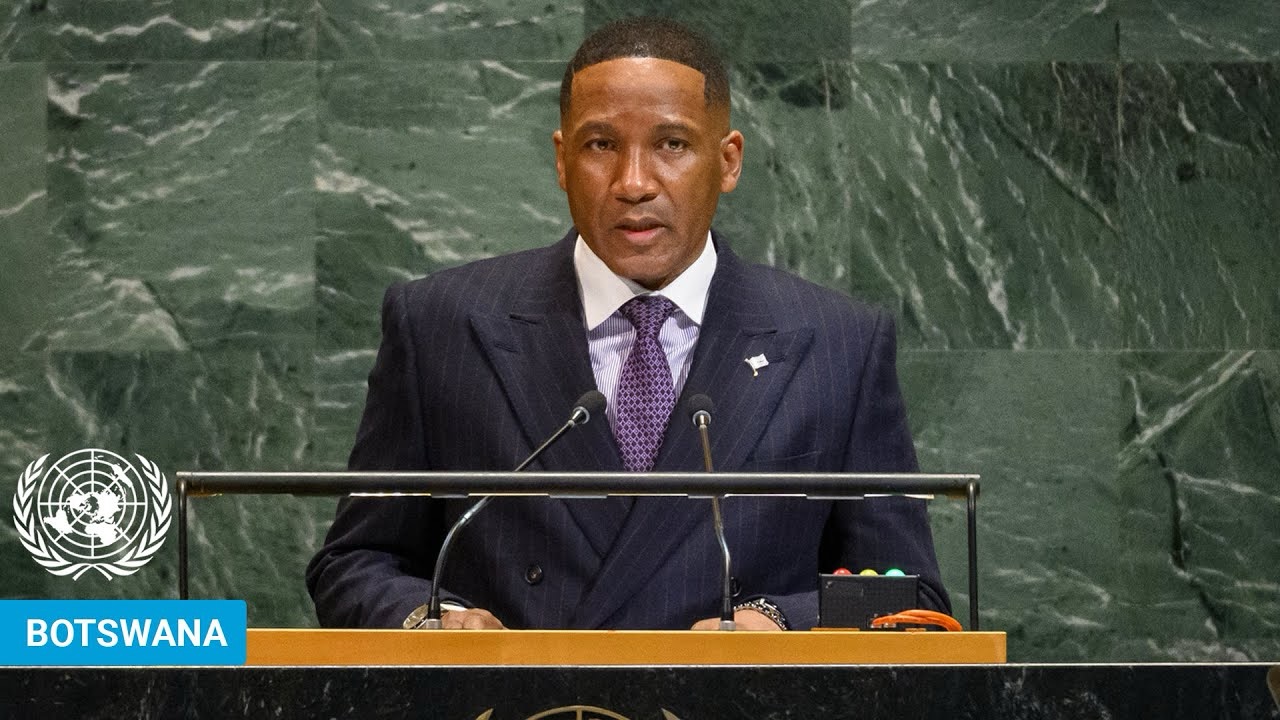

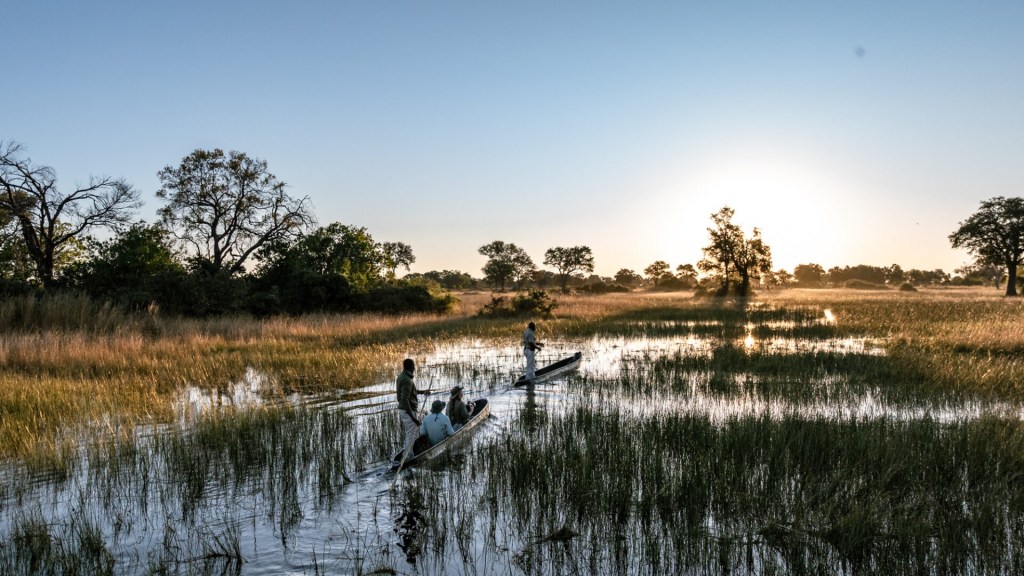


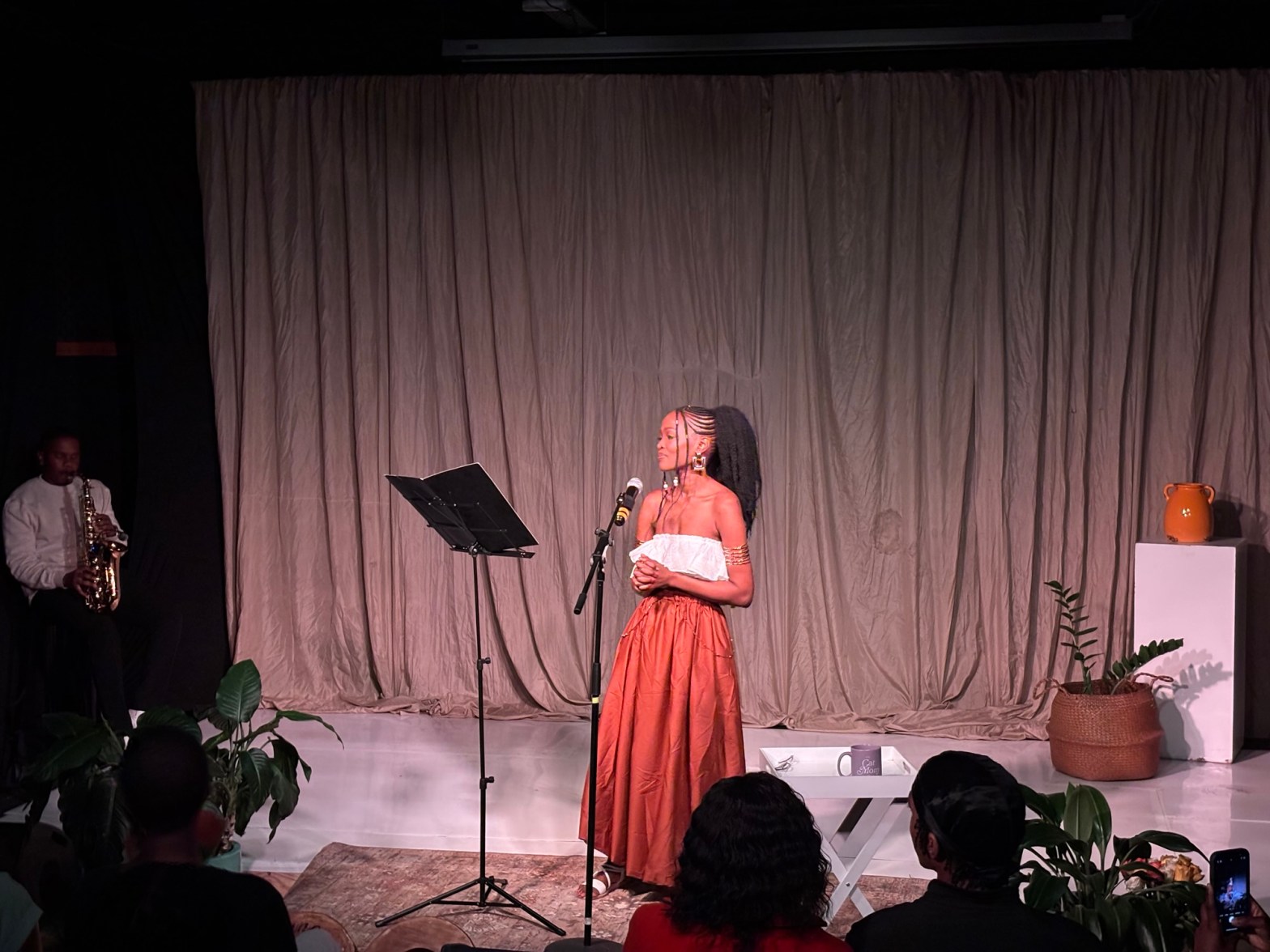
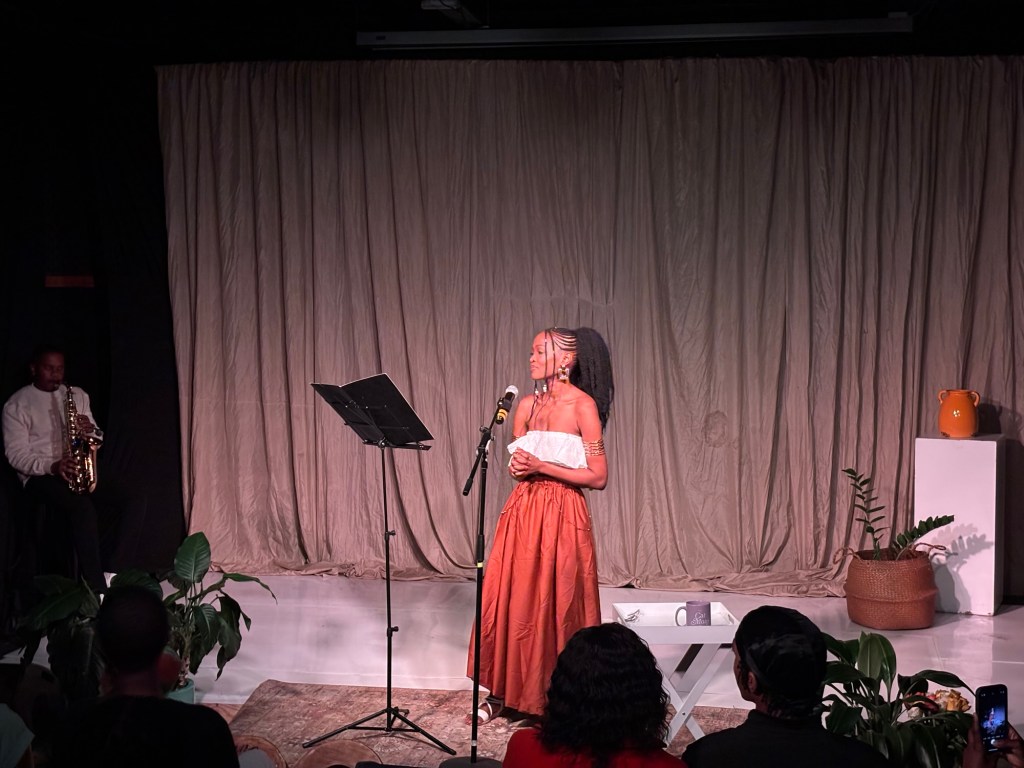
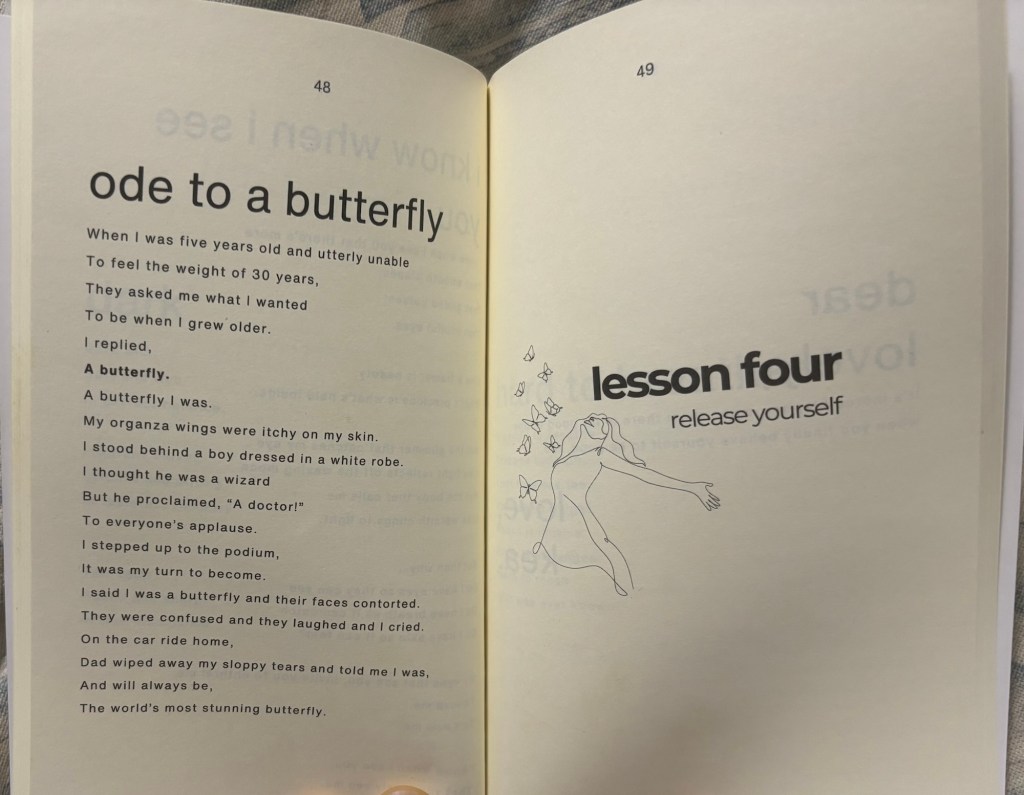


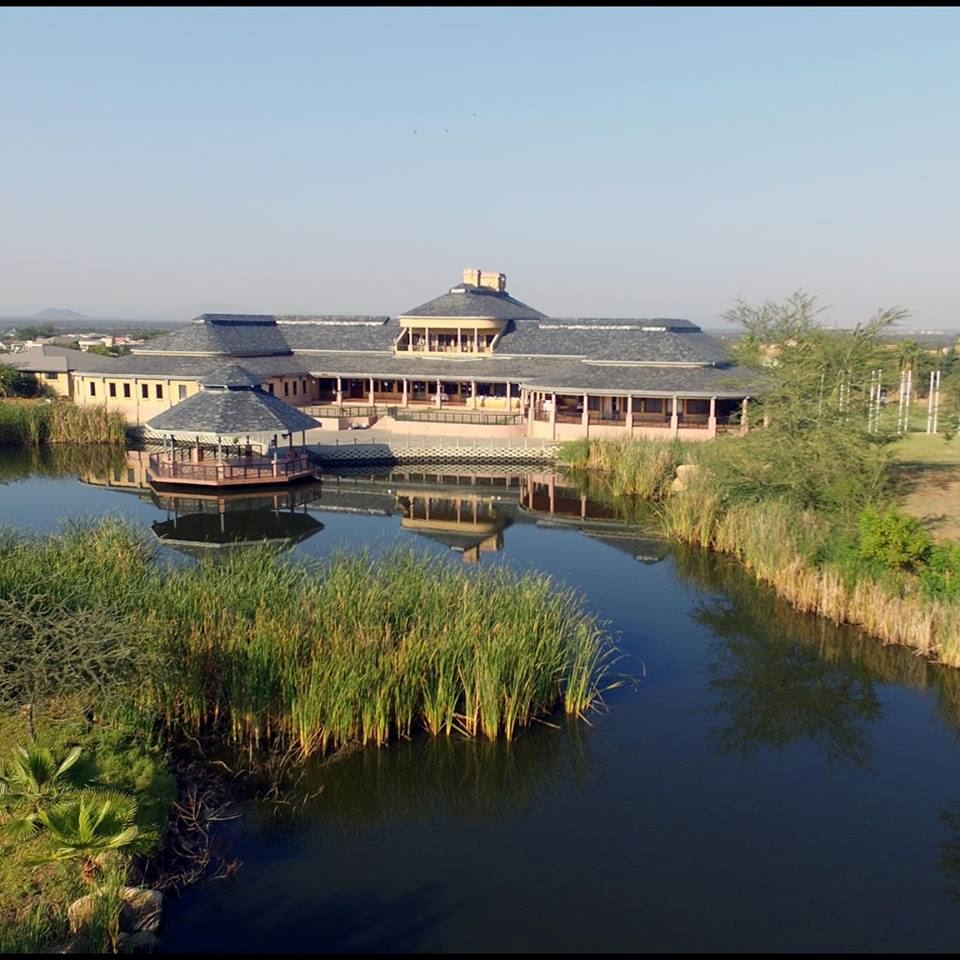




 Samuel Rubadiri